Your first solder joint: a step-by-step guide
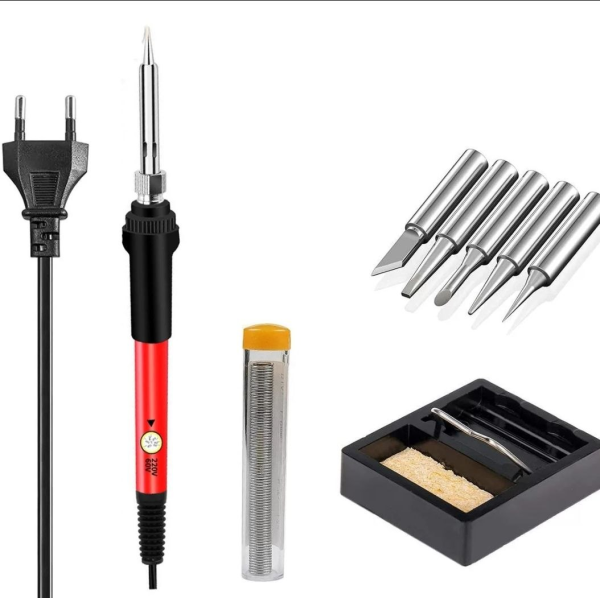
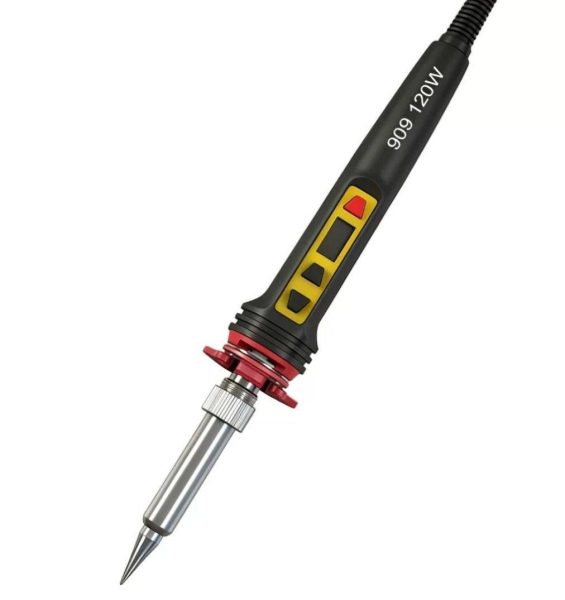
For your first joint you need an adjustable iron, flux, 1 mm solder and something to clean the tip. The order is always the same: heat the tip, tin it, apply flux, heat both parts and feed solder into the joint — not onto the tip. Hold for 2–3 seconds, remove the solder, then the tip, and don’t move the part until the joint sets.
Soldering is scary only until your first good joint. The key idea: solder flows where it’s hot and clean. So half of success is a clean tip, flux and proper heating — not “golden hands”.
What to prepare
| What | Why | What to get |
|---|---|---|
| Adjustable iron | so you don’t overheat the part or tip | 60 W 8-in-1 kit |
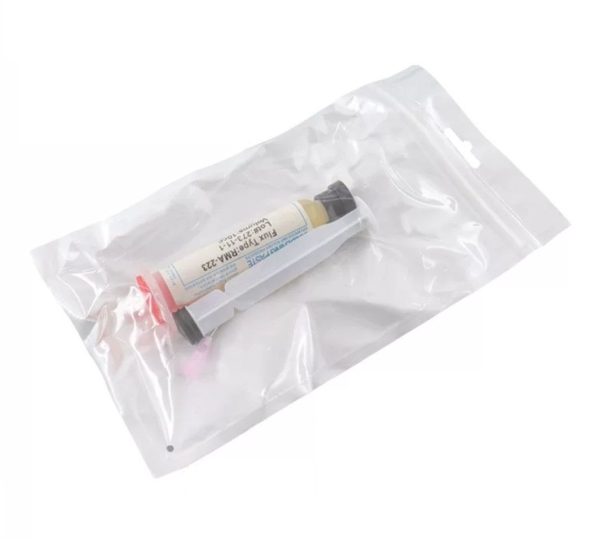
| Flux | removes oxides so solder flows | flux paste with a plunger |
| 1 mm solder | all-round for wires and boards | Lefavor 63/37, flux-cored |
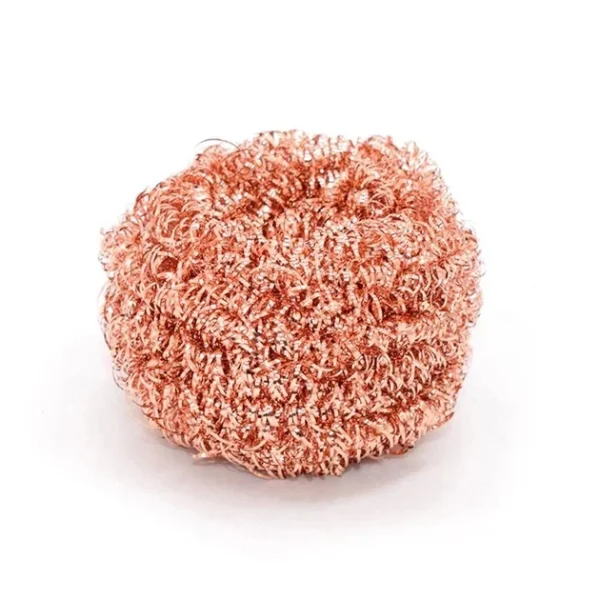
| Tip cleaning | clean tip = good joint | tip-cleaning wool |

Step by step
- Heat the iron. For 63/37 leaded solder on wires and leads, 300–330 °C is usually enough. Start lower and go up if the solder melts reluctantly.
- Tin the tip. Wipe the hot tip in the wool and touch solder right away — the end should get a shiny coat. A dull or black tip won’t take solder.
- Apply flux. A little paste on the joint — a thin layer, not a heap.
- Heat both parts. Press the tip so it touches both the wire and the pad at once — 1–2 seconds.
- Feed solder into the joint. Not onto the tip, but where the tip touches the parts. Solder will flow to where it’s hot.
- Remove the solder, then the tip. In that order. Don’t move the part for a few seconds while the joint sets.
What a good joint looks like
A good joint is smooth, shiny and shaped like a small cone or concave slope that blends into the pad. A ball sitting on top, a dull grey blob or cracks mean there wasn’t enough heat or flux, or the part moved while the solder was setting. Just reheat it with a drop of flux.
Flusenko’s tip. Don’t carry solder to the part on the tip — the flux inside burns off on the way and the joint turns grey. Always feed solder into the joint.
Safety
- Only put the iron down on its stand — the kit already includes one.
- Work on a heat-resistant surface such as a silicone mat — your desk stays intact and small parts don’t get lost.
- Ventilate the room and don’t breathe flux smoke; wash your hands afterwards.
Everything you need is in the “First solder” kit — one click and it’s in your cart. Which iron to get next — see “How to choose a soldering iron”.
FAQ
Do I need separate flux if the solder already has rosin?
For wires and connectors the flux inside the solder is often enough. For boards, oxidised leads and SMD, add flux paste: it works longer and stops solder from balling up.
Why does the solder roll into a ball?
The part or tip is dirty or not hot enough. Clean the tip, add flux and keep the tip on both parts a second longer.
What temperature should a beginner use?
For 63/37 solder start at about 300–330 °C. If solder melts slowly, add 20–30 °C; if the flux burns off instantly and smokes, go lower.